My therapeutic services

  • Music Therapy (individual and family)

  • DDP (Dyadic Developmental Psychotherapy)

  • Therapeutic Parenting sessions (online and face to face)

  • Network support

  • Training and workshops for parents/carers and professionals 

  • Reflective practice sessions for teams of professionals 

  • Supervision for professionals (Clinical and career development)


I know therapy is a significant commitment — both emotionally and financially. My aim is to be transparent about costs so you can make an informed decision that feels right for your family or service. Please contact me about the fees for my support.

I offer a short initial conversation to see whether my therapeutic support may be right for your family or service’s needs.

Where do sessions take place?
Sessions can be online or face to face in my purpose designed therapy space in Seale Hayne, Newton Abbot.
My therapeutic services

Click on the expandable content below:

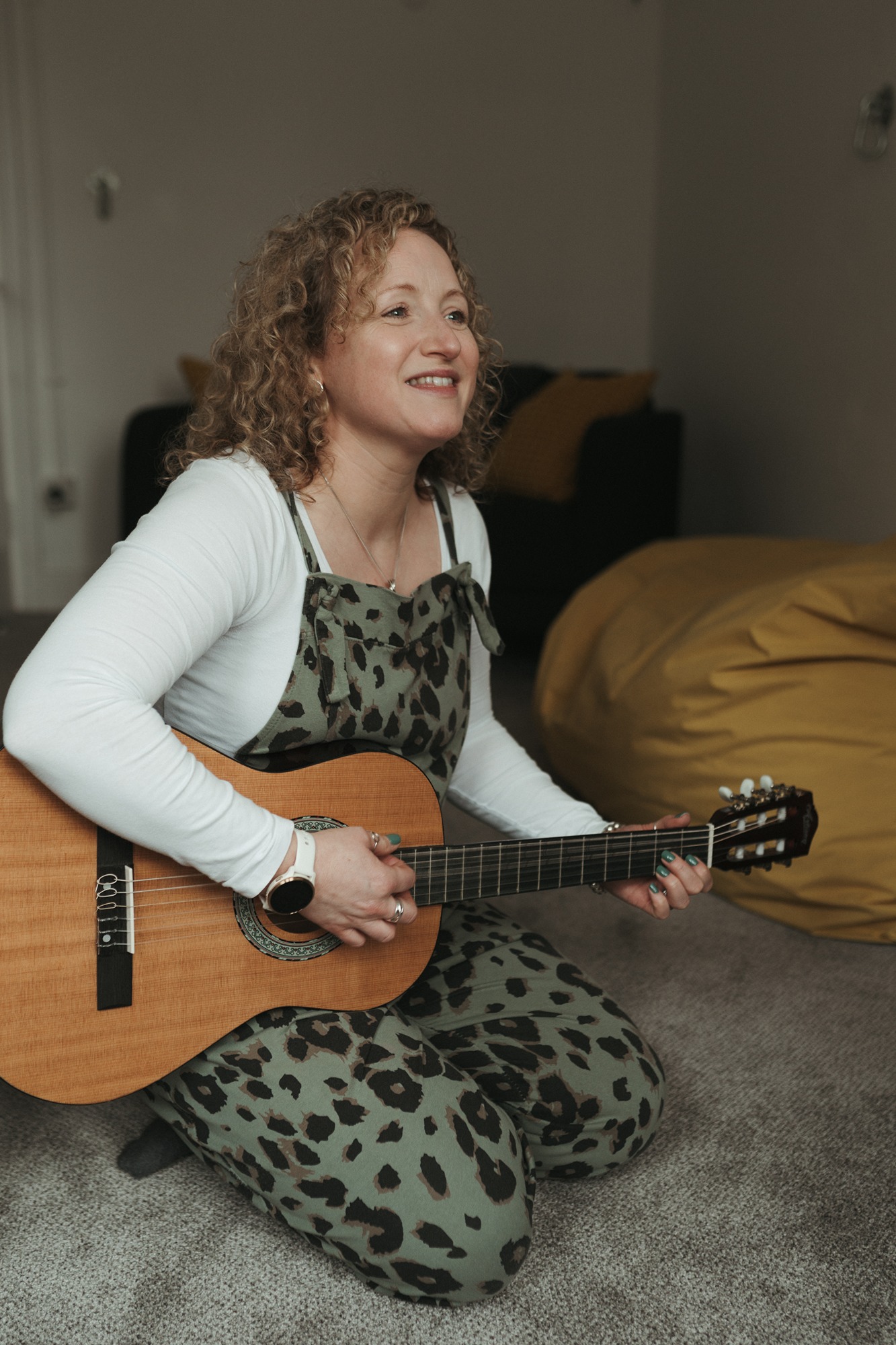
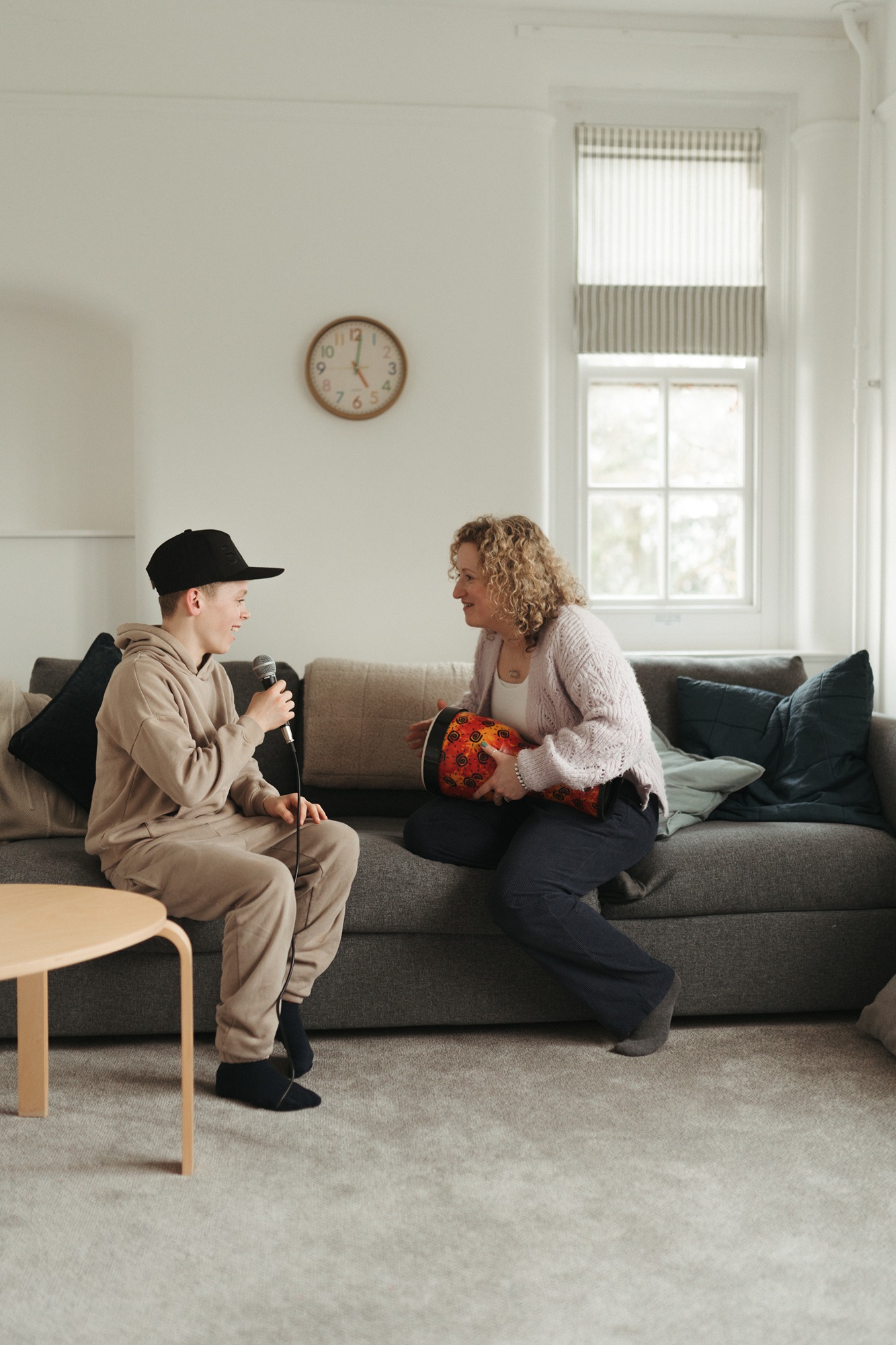
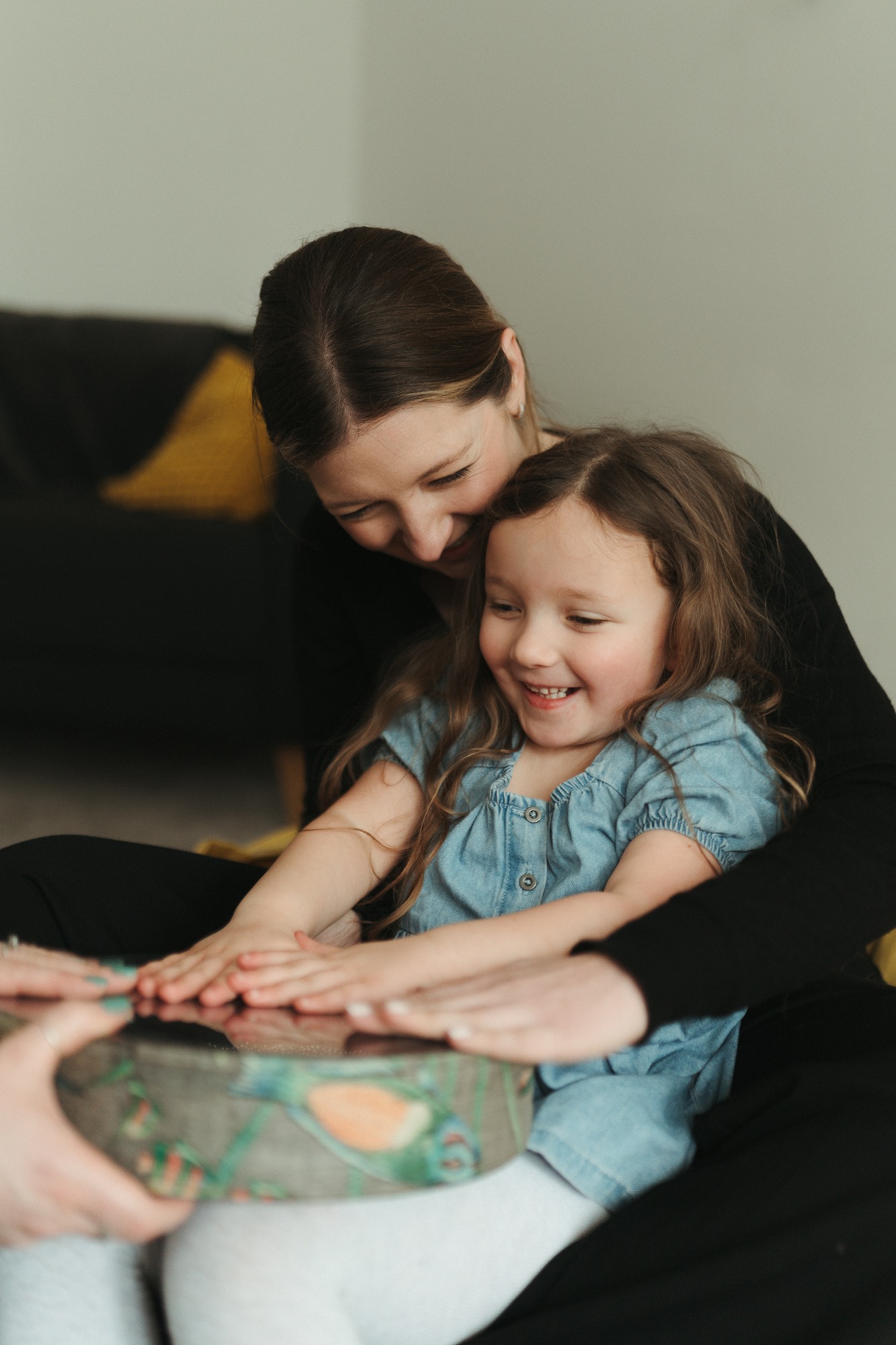
Music therapy is an established psychological intervention that can only be delivered by HCPC registered music therapists. Music therapy can offer a safe space for children/young people to express themselves, develop strategies for self-regulation and build emotional awareness, whilst also supporting parents and carers to strengthen relationships at home.

Music Therapy is based on an understanding that no matter what a child/young person’s ability, we all have an innate capacity to respond to and make music. Music Therapy is child led, with the music therapist creating musical responses, sometimes with instruments, vocalisations and/or gestures. These responses are mainly improvised and based directly on what a child/young person is offering or creating in the therapy space. Music Therapy can create a relaxed environment, where children can be motivated and engaged. It also offers a safe space where potentially painful experiences and emotions can be met, reflected on and processed. 

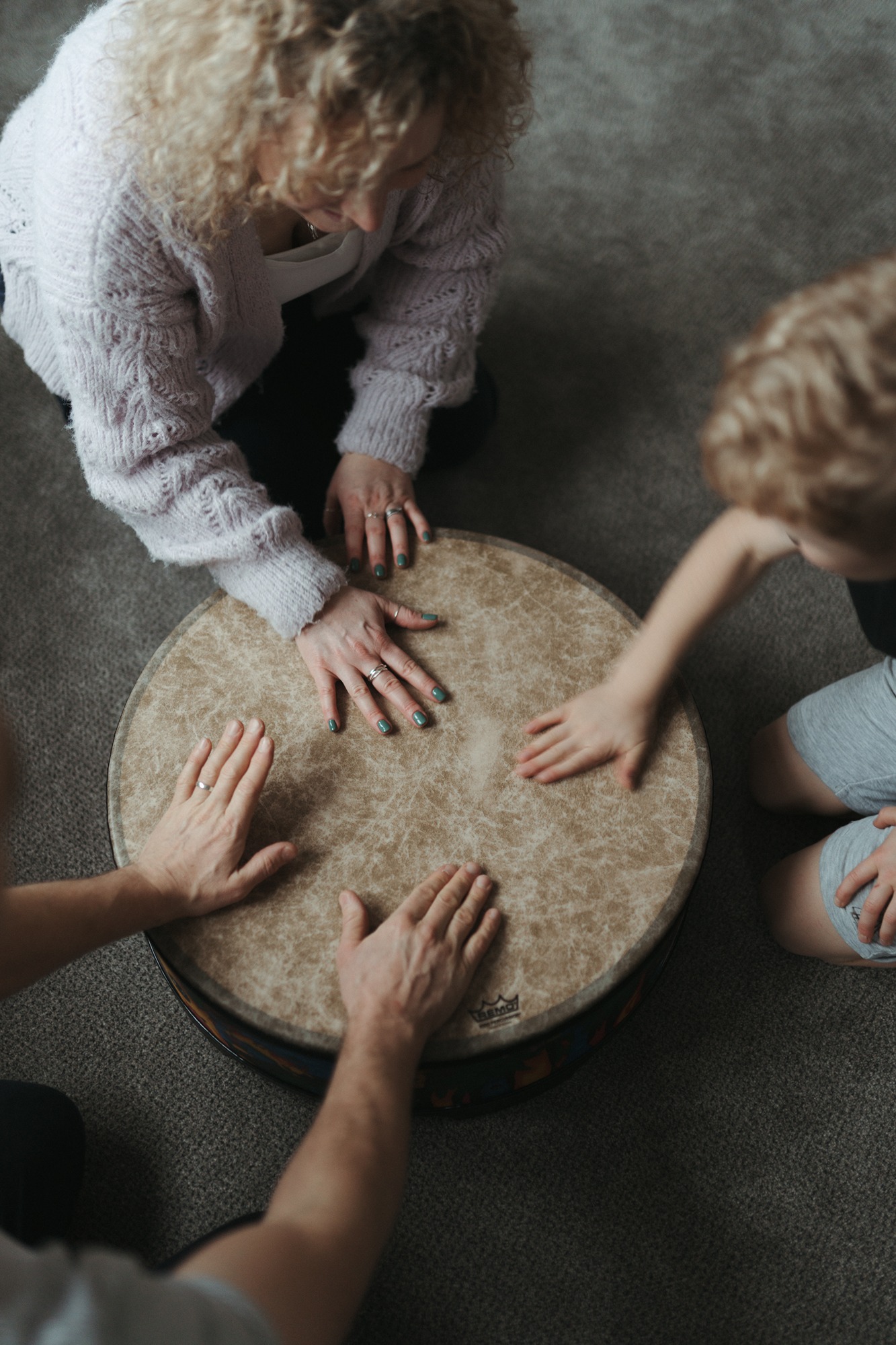
In addition the development of the child’s regulatory system is a key area which music therapy can support. Drawing on brain research, the use of rhythm and sounds can support the balance of the emotional and sensory regulatory system. Practical and easy to transfer tools can be created to empower the child, young person or parent/carers for use outside of the therapy space.

Music therapy can support in a variety of ways. Here are just some:-

  • Emotional expression

  • Sensory regulation

  • Connection

  • Communication and interaction

  • Confidence

  • Functional skills (cognitive function, coordination, speech and physical development)

For more information visit www.bamt.org/music-therapy

DDP (Dyadic Developmental Psychotherapy) is an approach developed by Dan Hughes, Clinical Psychologist, which brings together various approaches around attachment theory and child development. 

It aims to facilitate adults in building secure, trusting, and emotionally connected relationships with children/young people, particularly those who have experienced trauma or have difficulty regulating their emotions.

Parenting is hard. It requires, in some seasons, extraordinary resilience, regulation and reflection capacity. Having space to reflect on your experiences of parenting, your responses and triggers can be helpful at trying to make sense of what is going on in family life. 

At the core of my approach is an attitude of PACE - meaning the use of Playfulness, Acceptance, Curiosity and Empathy.

  • Playfulness (P) Brings fun and joy to the relationship. It can help the child get used to positive emotions and a sense of closeness in a relaxed way.

  • Acceptance (A) Acceptance of the child’s inner world, thoughts and feelings, without judgement. Communicating and understanding of this can create a  sense of psychological safety.

  • Curiosity (C) Wondering about the meaning behind the behaviour. Expressing a desire to understand, rather than reacting to it, can help the child to begin reflecting on their inner world and to increase their self-awareness.

  • Empathy (E) The ability to recognise, feel and respond to the child’s emotional experience alongside them, showing the child that their inner world is important to you and that it will be okay.

For more information about DDP please visit www.ddpnetwork.org/about-ddp/

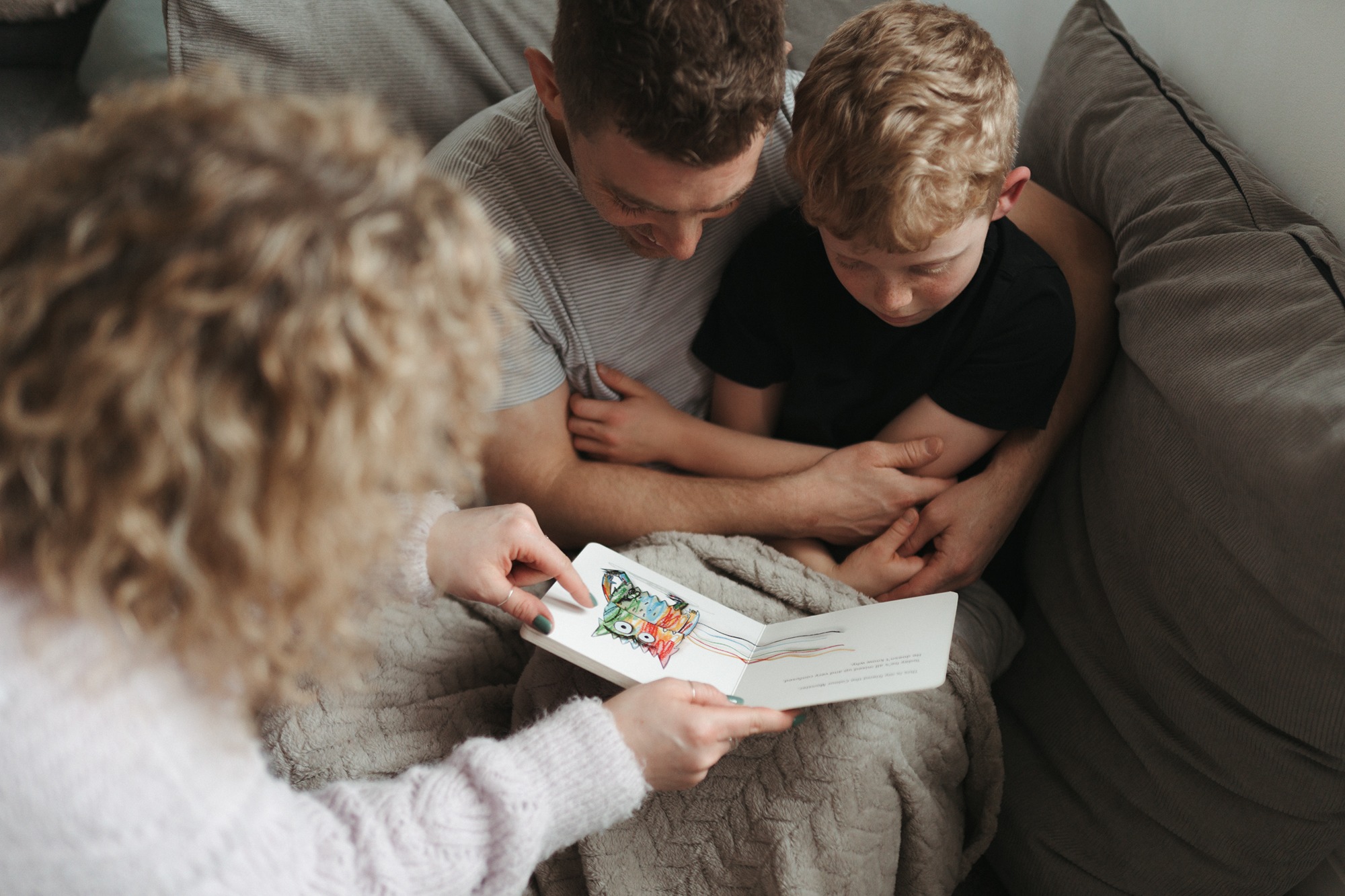
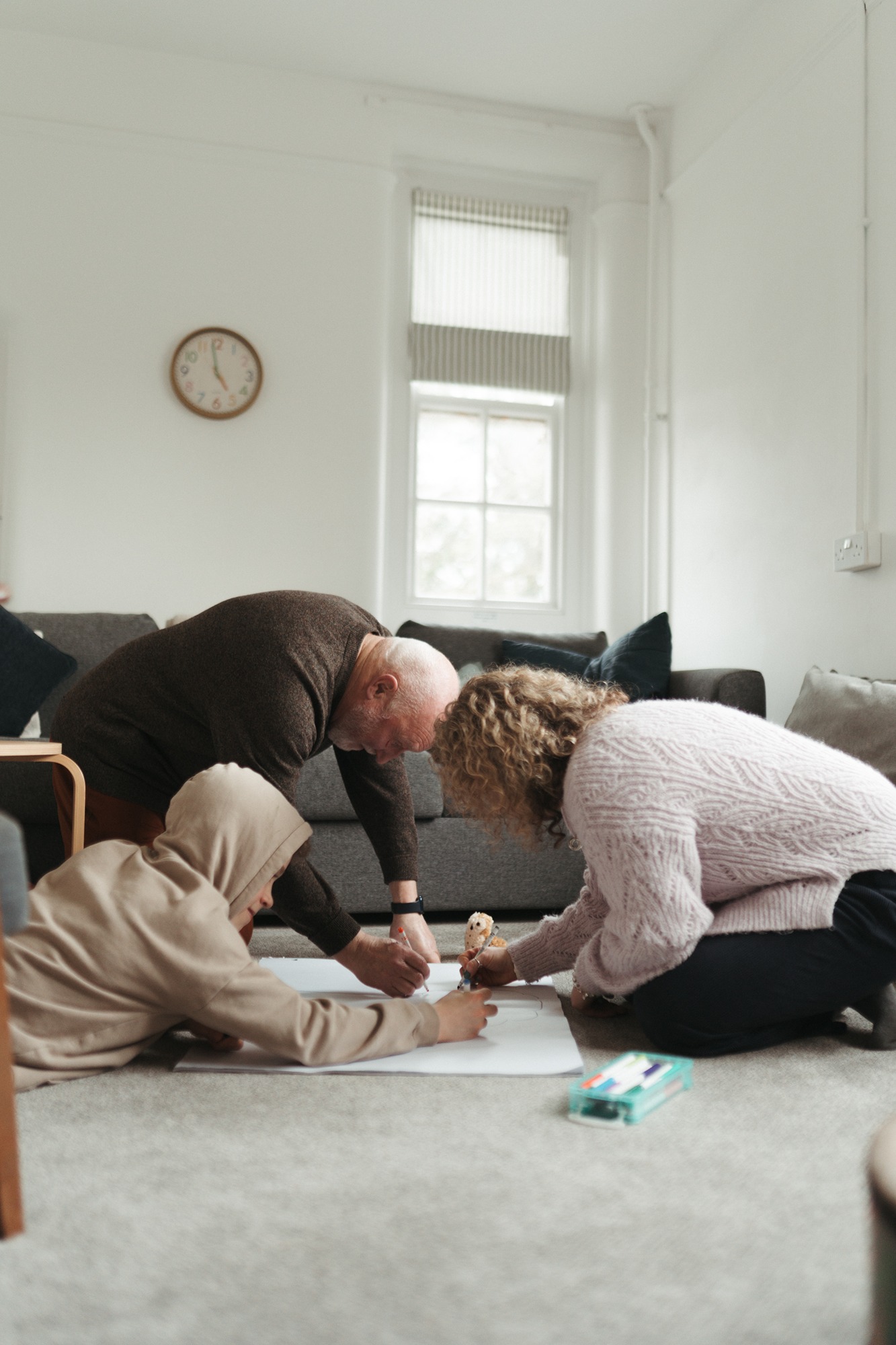
I offer a systemic approach, meaning my approach is supporting the child/young person at the centre, but also all of the important adults in their life as part of my therapeutic support. This includes family members, carers, schools and other professionals in order to create positive change collaboratively.

I am passionate about supporting families and their networks to create positive change and support them in achieving their potential. In my work I have been privileged to learn from a range of birth and adoptive parents, special guardianship families, foster carers and professionals. Working in an integrated care model is always at the centre of my practice, observing how pivotal the key relationships in children and young people’s lives can be in shaping their sense of self and therefore their future.

Coming from a teaching background, I have always loved facilitating workshops and training sessions, supporting others in understanding key theories, research and putting in place some practical approaches to supporting children and young people.

My experience has led me to deliver workshops on a variety themes, with a few of the recent sessions being titled: 

  • Understanding how music and rhythm can support emotional regulation

  • Advocating for your child in a network

  • The use of creative approaches in supporting regulation

  • Regulation

  • How trauma affects the brain

  • Neurodivergence

  • Attachment

  • Sensory differences 

  • Relationships

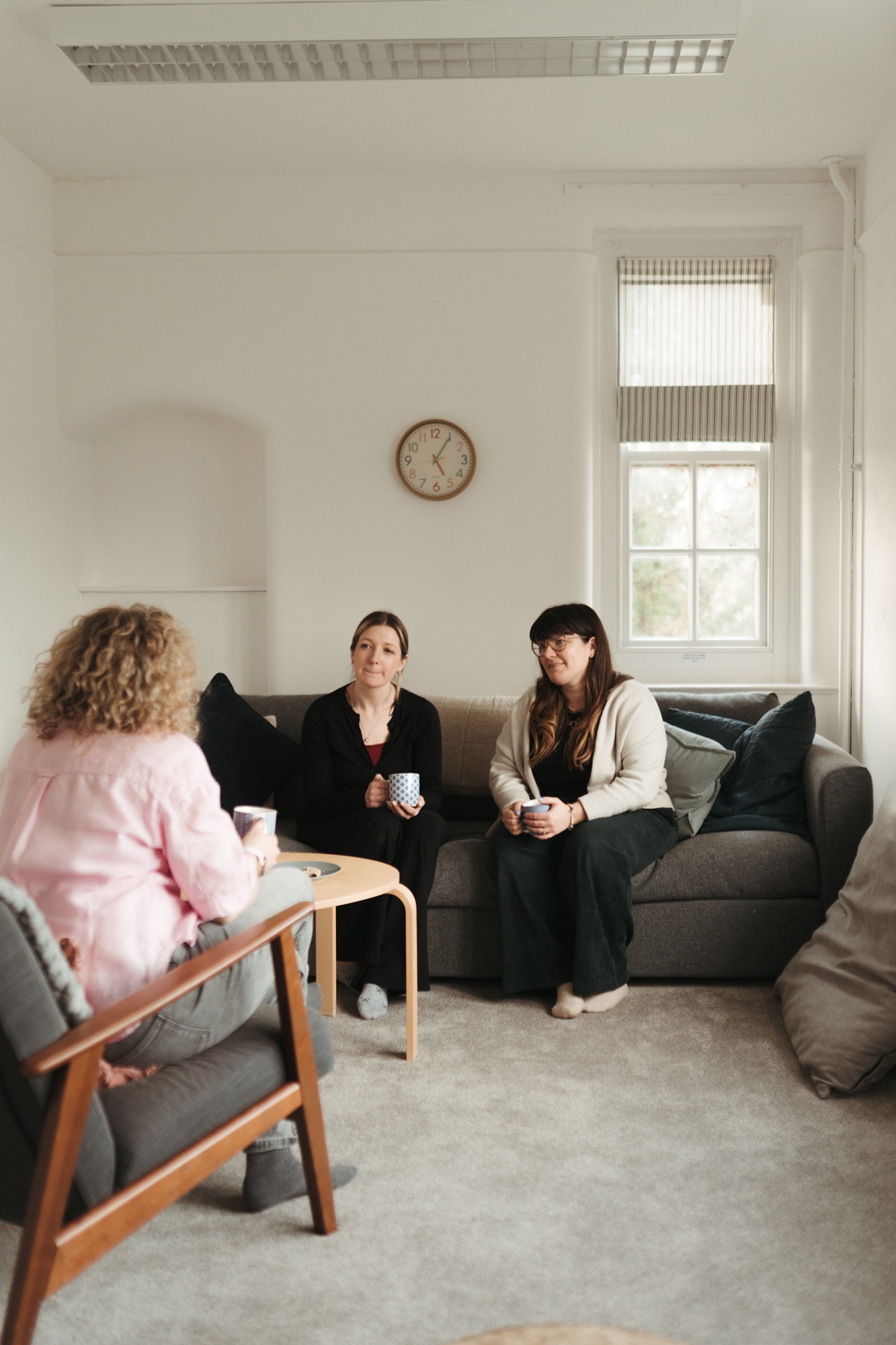
These sessions offer a safe, reflective space for teams to explore themes, challenges and wins together as a way to develop professional skills and gain understanding of new perspectives. Reflective practice sessions support teams in working together to best support children/young people and their networks around them.

In my career I have supervised a variety of professionals, encompassing the majority of the creative arts therapy disciplines and Allied Health Professions (AHP’s). 

Clinical supervision is essential in healthy clinical practice, having the space to reflect on the support you are offering, your own responses and your own well-being.

As part of my career, having worked in a variety of services, I enjoy supporting clinicians in exploring some of the themes in their work, trying to make sense of what may be going on for the clients they are working with.

Please visit the HCPC website around the benefits of effective clinical supervision: click here

Please contact me to book in a free 15 minute consultation to think about whether my therapeutic support may be right for your family or service's needs.